Sheets are a foundational element of sleep comfort, influencing temperature regulation, fabric feel, and long-term durability. In this category, the focus is on materials, weave structures, and care considerations that affect nightly rest. Understanding fabric weight, thread count interpretations, and loom types helps identify sheets suited for different climates and bedding setups, including organic and natural fiber options.
Libeco Nottinghill Linen Sheets and Pillowcases illustrate how linen blends prioritize breathability, moisture management, and a relaxed drape. Linen fibers promote cooling in warm nights and provide temperature balance in variable conditions. The natural texture and tensile strength support extended use, making these sheets a relevant choice for those seeking durable, low-friction sleep surfaces.
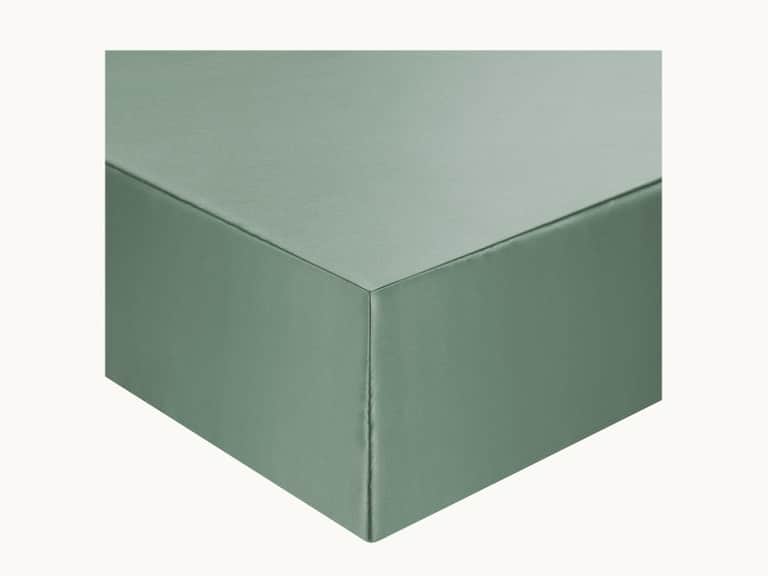
Ashdown Silk Fitted Sheet demonstrates the advantages of silk in bedding, including smooth touch, reduced friction, and moisture management. Silk’s inherent thermoregulation can contribute to a comfortable sleeping environment across seasons. The fitted design emphasizes secure fit around mattresses, aiding in sheet longevity and consistent surface quality.
Key features across high-quality sheets often include fabric weave, fiber content, and care guidance. Cotton percale and sateen, linen, and silk variants each offer distinct feels and performance traits, such as crispness, softness over time, and hypoallergenic potential. Functional benefits also encompass ease of laundering, wrinkle resistance, and colorfastness.
Informed bedding choices consider the broader context of sleep surfaces, including compatibility with toppers, organic mattresses, and innerspring systems. Meta keywords such as bedding, sheets, organic mattresses, toppers, and innerspring mattresses reflect the spectrum of suitability, emphasizing how sheet selection supports comfort, hygiene, and long-term durability.
 Bedding