Comparing Organic Mattress Options: Vispring vs. Vermont Furniture Designs
A Sheffield reader’s guide to organic sleep surfaces, materials, and sustainable comfort.
In a world increasingly conscious of materials, provenance, and the hidden costs of comfort, a mattress is not merely a surface but a conversation. The organic mattress movement invites sleepers to consider what lies beneath the surface—the core fibers, the way these fibers are harvested, and how heat, moisture, and allergens interact with the human body over years of nightly contact. For residents of Sheffield and beyond, the choice between two established names—Vispring and Vermont Furniture Designs—becomes not simply a matter of softness or firmness, but of ethics, durability, and the intimate chemistry of sleep.
The goal of this piece is practical discernment: to unpack core materials, construction features, cover fabrics, temperature regulation, certifications, and long-term sustainability. We shall travel through the distinctions and convergences between Vispring and Vermont Furniture Designs with an eye toward how these choices translate into real-world sleep quality in homes across Sheffield, from compact city apartments to sunlit Victorian terraces.
What makes an organic mattress “organic”?
Organic mattresses operate on two intertwined promises: first, a reliance on natural fibers grown without synthetic pesticides or harsh chemical processes; second, a construction that preserves ecological integrity at every stage—from farming soils to final, low-emission finishing. In practice, this often translates to materials like organic cotton or wool, natural latex, and responsibly sourced cores that avoid flame retardants and other synthetic additives. Certifications matter because they provide a framework for assessing whether the claims on a mattress label reflect on-the-ground reality.
Across both Vispring and Vermont Furniture Designs, the core idea is to forge a sleep surface that respects the sleeper’s body and the planet. The choices each company makes—whether in the selection of wool, cotton, latex, or steel coils—shape not only bed feel but energy use, durability, and end-of-life considerations. For the Sheffield reader, this translates into a calmer, more predictable sleep environment and a product story that aligns with broader concerns about climate responsibility and resource stewardship.
Core materials: natural fibers, coils, and their interaction
Vispring is renowned for its luxury spring systems and meticulous British craftsmanship. Their mattresses often rely on a combination of natural fibers—such as wool, cotton, and latex—in conjunction with pocketed coil systems. The use of natural fillings aims to deliver a balance of support, contour, and temperature regulation. The story of Vispring is, in many ways, a narrative of time-honored techniques applied to contemporary demands for healthful sleep.
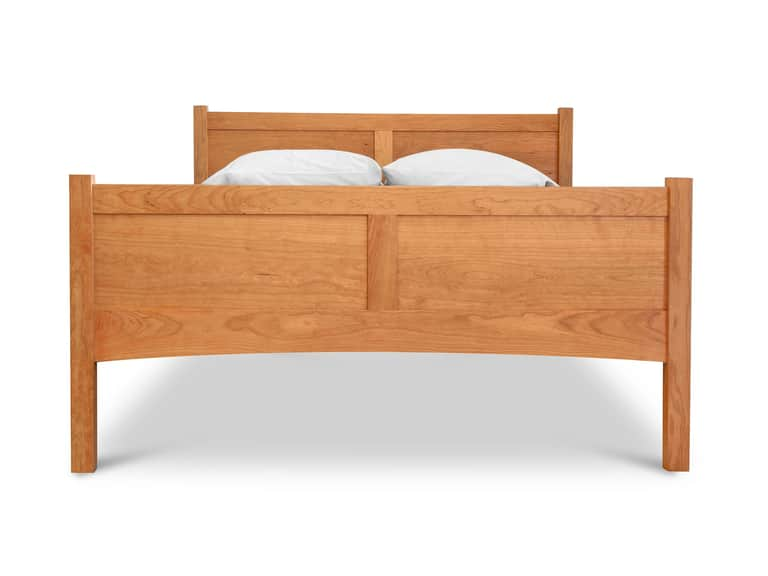
Vermont Furniture Designs, by contrast, emphasizes solid hardwood craftsmanship and a modern approach to bed foundations that often incorporates eco-friendly finishes and materials. When organic components appear in their line, they tend to align with durable, low-VOC finishes and responsibly sourced core materials, producing a sleep surface that feels grounded, steady, and quiet—an almost architectural calm that can be especially appealing to sleepers who value steadiness and long-term resilience.
In practical terms, the materials you encounter determine temperature dynamics, humidity management, and the way a mattress responds to your body. Natural fibers like wool have moisture-wicking and temperature-regulating properties, which can help prevent overheating through the night. Organic cotton shells provide a breathable barrier that breathes with you rather than trapping heat. When coils are used, the design—individual pocketed springs versus a zoned or continuous coil system—affects edge support, spinal alignment, and motion isolation. A Sheffield home with varied room temperatures may benefit from a mattress that uses wool or latex hybrids to balance heat retention and coolness as the seasons shift.
Cover fabrics and comfort layers: touch, breathability, and hygiene
The cover fabric is more than a decorative shell; it is part of the sleep experience. Vispring’s approach to coverings often balances luxury with functional breathability, choosing materials that feel premium to the touch while not compromising airflow. Vermont Furniture Designs emphasizes finishes and textiles that pair well with natural cores, aiming for a calm, breathable surface that remains durable over years of use.
The texture of the top layer matters for people who sleep on their sides, back, or stomach, and for those who move through the night. A breathable cover can reduce moisture buildup that might otherwise promote microbe growth or allergen retention. In Sheffield homes with central heating in winter or cooler summers, a cover that stays comfortable in a range of conditions is a practical asset.
In addition to textiles, the inner layers—whether a latex comfort layer, a wool or cotton fill, or a micro-spring system—shape the overall sensation: whether the mattress is “cradling” or “supportive.” The right blend depends on body weight, sleeping position, and personal preference. Those who value a balanced, calm feel often gravitate toward mattresses that offer a mild contour with robust reinforcement along the spine, a combination that many organic constructions aspire to deliver.
Temperature regulation and humidity control: why it matters in Sheffield
Sheffield’s climate, with its damp winters and variable summer nights, places a premium on a sleep surface that can stay comfortable without requiring constant micro-adjustments. Temperature regulation is not a character trait; it is a practical outcome of material choice and system design. Wool, latex, and cotton blends can provide the right balance of loft and airflow. Organic mattresses that emphasize natural fibers often perform better at managing humidity, helping sleepers avoid the dampness that can creep into a mattress over time.
Vispring and Vermont Furniture Designs address temperature in complementary ways. Vispring’s use of high-quality natural fillings can create a breathable, climate-adaptive surface, especially when paired with a well-ventilated foundation. Vermont Furniture Designs’ emphasis on durable woods and carefully chosen finishes can contribute to a steady bed platform that does not trap heat in the wrong places, allowing the sleeper to experience a more stable night’s rest.
Certifications and durability: reading the fine print
When evaluating organic mattresses, certifications provide a road map through marketing claims to verifiable standards. Look for seals that attune to organic farming practices, responsible fiber sourcing, and finishing processes that minimize chemical exposure. The Responsible Down Standard (RDS) or other industry-recognized labels can be helpful in confirming animal welfare considerations and material integrity.
Durability is a practical form of sustainability. A mattress that lasts longer reduces the need for premature replacement and the environmental footprint associated with manufacturing, transport, and disposal. Vispring’s traditional craftsmanship often results in long-lasting products, with attention to stitching, edge support, and core integrity. Vermont Furniture Designs’ approach—emphasizing sturdy construction, joinery, and eco-friendly finishes—offers its own brand of longevity. In Sheffield homes where furnishings come to define living spaces over decades, the durability narrative can be a decisive factor.
Practical evaluation: how to compare Vispring and Vermont Furniture Designs for your bedroom
- Test the feel, not just the aesthetic. If possible, lie down in your typical sleeping position and gauge pressure relief, alignment, and overall comfort. Organic mattresses are not one-size-fits-all, and personal sensation remains a critical guide.
- Assess temperature dynamics. Ask about the cover fabric, the fiber blend, and whether the core offers airflow channels or ventilation through the design. In Sheffield’s varied climate, a surface that remains comfortable across seasons is invaluable.
- Investigate certifications. Seek transparent disclosures about fiber sources, processing methods, and any third-party certifications. Certifications offer a helpful frame for evaluating the organic claims.
- Consider durability and warranty. A mattress built to last saves a lifetime of replacement costs and reduces environmental impact. Review warranty terms and the manufacturer’s guidance on rotation and care.
- Factor in room integration. The aesthetic and height of the mattress, the style of the bed frame, and the surrounding textiles all affect sleep quality. The best organic choice is the one that harmonizes with your room’s design language and your daily routines.
Product note: items relevant to the organic sleep conversation
As you explore organic mattresses and their ecosystems, you may encounter curated accessories that complement the sleep surface. While the following items are not bedding products you would buy in a traditional showroom, they illustrate how a thoughtful sleep environment extends beyond the core mattress:
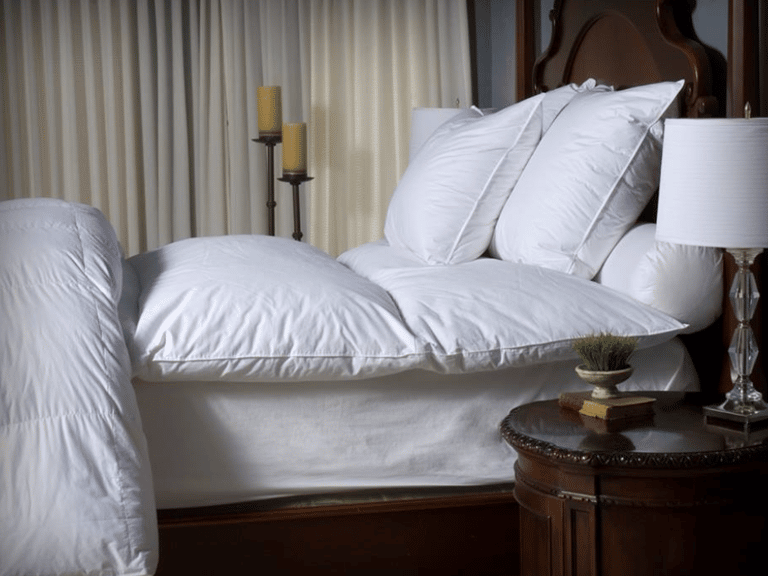
- Featherbeds or mattress toppers for added contour and warmth; these can be used with organic mattress cores to fine-tune feel without compromising the organic intent.
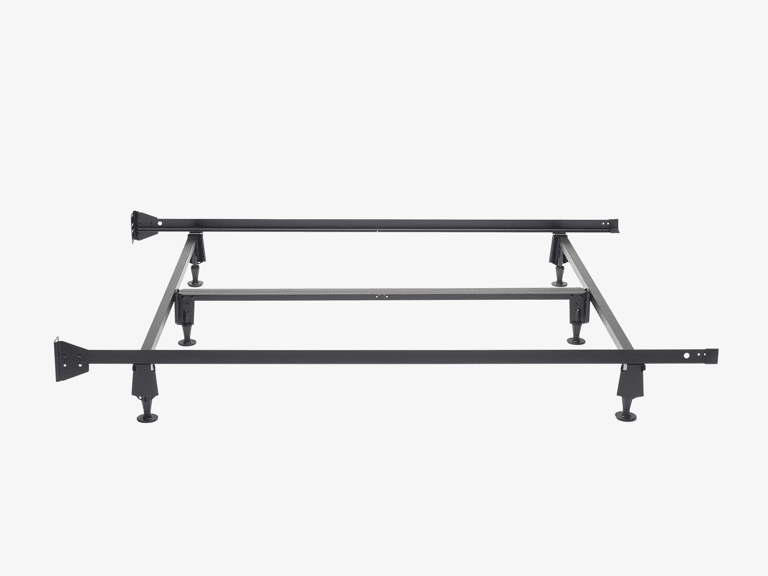
- Solid bed frames with eco-friendly finishes that minimize emissions and offer robust support for a long lifespan.
- Natural fiber sheets, wool-filled toppers, and linen or cotton duvet covers that align with the organic ethos and contribute to temperature regulation.
When considering these add-ons, return to the central questions: does this accessory support the organic core’s performance, does it maintain breathability and hygiene, and does it contribute to a sleep environment that feels calm and enduring?
Sheffield-focused perspective: applying the comparison to a local home
In Sheffield, space constraints, climate, and interior design preferences shape mattress choices in meaningful ways. A compact urban apartment often benefits from a mattress system that minimizes heat retention while still providing generous contour. A family home with longer nights of rest might prioritize durability and edge support to accommodate multiple sleepers and shifting sleep schedules. A student living in a shared house may need a blend of affordability, ease of care, and reliable motion isolation to minimize disturbances.
Whether you lean toward Vispring’s artisanal heritage or Vermont Furniture Designs’ grounded practicality, the organic pathway invites a broader conversation about sleep literacy. Readers are encouraged to approach mattress selection with a plan: assess materials, listen to the body, and align with values about sustainability and health. In this way, the choice becomes a reflection of one’s life in Sheffield—a city where tradition meets modernity, and where a good night’s rest is both a personal ritual and a civic courtesy.
Conclusion: choosing a healthier, more sustainable sleep surface
The comparison between Vispring and Vermont Furniture Designs reveals a shared commitment to natural materials, careful construction, and a sleep experience that honors the body. The distinctions lie in sensory emphasis and design philosophy: Vispring often channels a luxury, bespoke sensibility with their coil systems and natural fillings, while Vermont Furniture Designs emphasizes robust, enduring platforms and eco-friendly finishes that integrate well into a modern, environmentally conscious home.
For the Sheffield reader seeking an organic mattress, the decision rests on a balance of personal comfort, ecological considerations, and life-cycle durability. Read the certifications, test the feel, and consider how the surface interacts with weather, room design, and daily routines. In the end, the right choice is not merely about a mattress’s materials but about creating a sleep environment that invites rest, recovery, and a sense of place—an environment that feels true to a life lived in a city that wears its history with quiet pride.
Published date: September 30, 2026